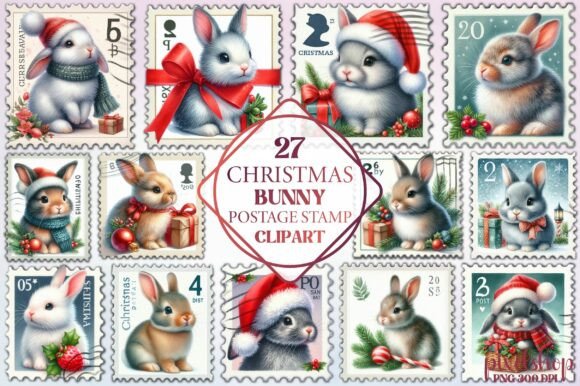
Christmas Bunny Postage Stamp Clipart: A Designer’s Review for Branding
As a brand designer and content marketer, I spend my days dissecting visual assets to determine their true commercial value. It is not enough for an image to simply look "cute"; it must serve a strategic purpose in communicating a brand’s identity. Recently, I evaluated the Christmas Bunny Postage Stamp Clipart with a specific project in mind: launching a limited-edition holiday collection for a small business selling handmade skincare and lifestyle goods. This review explores how this specific illustration fits into modern marketing workflows, from social media graphics to packaging design.
First Impressions and Emotional Tone
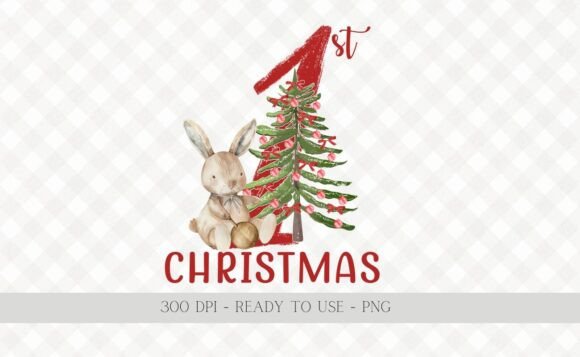
The moment you place the Christmas Bunny Postage Stamp Clipart on a canvas, it establishes a distinct mood. It is whimsical yet structured, blending the nostalgia of traditional postage stamps with the playful charm of a holiday bunny. For brand owners, this combination is powerful. It signals warmth, approachability, and a touch of vintage elegance. In a crowded digital marketplace, where audiences are bombarded with hyper-modern, minimalist aesthetics, this asset offers a refreshing counterpoint. It feels personal, like a handwritten letter, which can significantly enhance audience trust and emotional connection.
This illustration does not scream for attention; rather, it invites the viewer in. It creates a soft, inviting atmosphere that is perfect for brands aiming to build a community around shared values of kindness, tradition, and celebration. Whether you are targeting casual branding enthusiasts or those who appreciate premium, story-driven visuals, this clipart strikes a balance that avoids looking messy or unprofessional. It brings a cohesive narrative element to your visual content, making it suitable for editorial graphics, event promotions, and commercial marketing materials alike.
Strategic Applications in Marketing Workflows
In our hypothetical campaign for the handmade skincare line, we needed versatile design assets that could transition seamlessly across multiple touchpoints. Here is how the Christmas Bunny Postage Stamp Clipart performed in real-world scenarios:
- Packaging Design: The stamp format is inherently suited for product labels and seals. We used it as a decorative accent on gift boxes, reinforcing the idea of a "gift sent by mail." This elevates the perceived value of the physical product.
- Social Media Graphics: For Instagram posts and Pinterest pins, the square-ish nature of a stamp works well within grid layouts. It served as a focal point in carousel posts, guiding the eye through the benefits of our new winter serum.
- Email Banners: In our holiday newsletter, we placed the illustration in the header alongside serif typography. It broke up the text-heavy layout without overwhelming the call-to-action, demonstrating strong visual hierarchy.
- Digital Ads: When adapted for Facebook ads, the clear lines and distinct shape of the stamp ensured the graphic remained legible even at smaller sizes, helping to improve click-through rates by standing out in the feed.
This versatility confirms that the asset is more than just a standalone image; it is a functional component of a broader content marketing strategy. It supports modern design principles by being adaptable, allowing designers to scale it down for stickers or blow it up for website headers without losing integrity.
Supporting Core Marketing Goals
Using high-quality illustrations like this one directly impacts key performance indicators related to brand perception. First, it aids in creating a stronger first impression. A consistent visual language helps potential customers recognize your brand instantly. Second, it contributes to clearer visual hierarchy. By using the stamp as a decorative anchor, we could guide the user’s eye toward essential information, such as sale dates or product features.
Furthermore, this asset helps in building better product presentation. Instead of relying solely on photography, which can sometimes feel sterile, adding hand-drawn or stylized elements like the Christmas Bunny adds character. This leads to improved audience engagement, as users are more likely to save or share content that feels unique and creatively crafted. Ultimately, it results in more memorable campaign visuals that stick in the consumer’s mind long after they have scrolled past.
Where the Asset Shines Best
To maximize the return on investment for this graphic design asset, it is crucial to deploy it in contexts where its aesthetic strengths are highlighted. It works exceptionally well as a hero graphic for landing pages dedicated to holiday bundles. As a campaign header, it sets the tone for the entire season of content. In branded templates, particularly for Canva users, it serves as a reliable placeholder that maintains consistency across all social media covers and promotional banners.
For small business branding, this clipart is ideal for creating content bundles or downloadable lead magnets, such as printable planners or greeting cards. It also shines as a decorative brand element on merchandise, such as tote bags or mugs, where the stamp motif can be repeated in a pattern. Its clean edges make it perfect for cutting files if you are producing physical stickers or die-cut decals, bridging the gap between digital products and tangible goods.
Areas Requiring Careful Consideration
No single asset is a universal solution. There are specific scenarios where the Christmas Bunny Postage Stamp Clipart should be used with caution. It is generally unsuitable for formal corporate branding where a serious, authoritative tone is required. Additionally, avoid placing it in dense information layouts where it might compete with critical data points.
When designing for mobile screens, always preview the asset at actual size. If the details become too muddy at a tiny resolution, it may fail to communicate effectively. Similarly, on low-contrast backgrounds, the intricate lines of the stamp might get lost. Brands with an overly minimal aesthetic might find the ornate nature of the stamp too busy for their logo design or primary web design elements. In these cases, it is better to use it as a secondary accent rather than a primary visual driver.
Practical Designer Notes for Implementation
Before integrating this asset into your final campaigns, I recommend running it through a rigorous testing phase. Start by testing it against your existing brand color palette. Does the stamp’s color scheme complement your primary hues, or does it clash? Check its usability in black and white to ensure the form holds up without reliance on color.
Place the illustration inside real campaign mockups—such as a phone screen displaying an ad or a printed package—to evaluate its scale. Test readability in small sizes by zooming out; if the details disappear, consider simplifying the background. Compare it against competitor visuals to ensure your brand stands out while remaining relevant. Typography pairing is also critical; experiment with how the stamp interacts with serif fonts for a classic look, sans-serif fonts for modern clarity, script fonts for elegance, handwritten fonts for authenticity, and display fonts for impact.
Finally, review the spacing and balance. Ensure the stamp does not crowd other elements. Most importantly, confirm your commercial licensing before using it in paid campaigns, client work, or business branding. Understanding the legal boundaries of the commercial license protects your business and ensures you can fully leverage this creative design tool without risk.
In conclusion, the Christmas Bunny Postage Stamp Clipart is a robust addition to any designer’s toolkit. It offers a blend of nostalgia and modern appeal that can elevate marketing visuals from ordinary to extraordinary. By applying it strategically, you can create a cohesive, engaging, and professional brand experience that resonates with your audience during the holiday season and beyond.