Christmas Plaid Digital Paper Clipart for Illustrations
I have spent the better part of two decades working as a graphic designer, navigating the shifting tides of visual trends and client demands. Recently, I was tasked with developing a cohesive brand identity for a boutique holiday candle line called "Ember & Pine." The client wanted something that felt traditional yet modern, cozy but not cluttered. They specifically requested a design direction that leaned heavily into rustic elegance, utilizing classic winter motifs without falling into the trap of looking like a generic discount flyer. This is where I evaluated Christmas Plaid Digital Paper Clipart as a foundational element for their packaging and marketing visuals.
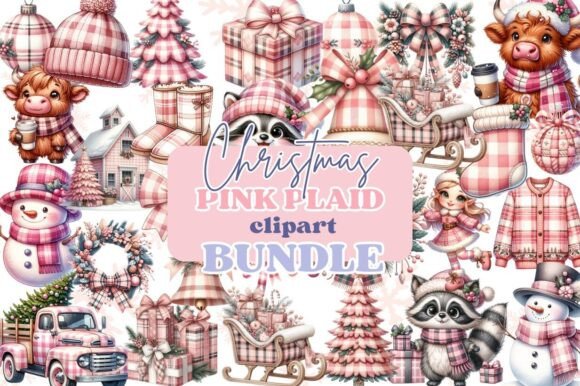
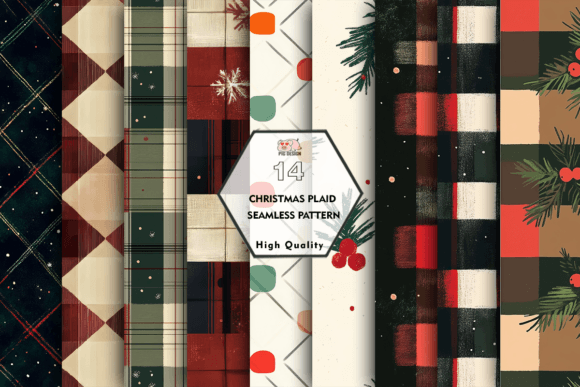
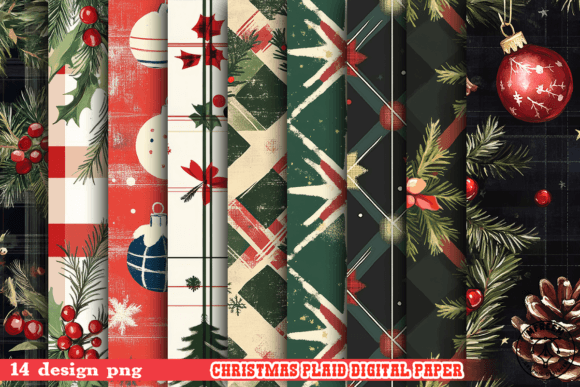
When I first opened the asset files, my initial impression was one of immediate utility. In the world of commercial design, time is currency, and the quality of base assets can make or break a project timeline. This collection does not feel like a hastily assembled bundle of low-resolution scraps. Instead, it presents itself as a curated set of high-quality digital papers and clipart elements that possess a distinct visual weight. The plaid patterns are sharp, the color palettes are harmonious, and the overall mood is undeniably festive yet sophisticated. It creates an atmosphere of warmth and nostalgia, which is precisely what we needed to communicate to consumers browsing for unique gift items during the peak shopping season.
The Role of Texture in Modern Holiday Branding
In contemporary brand identity work, texture plays a pivotal role in establishing emotional connection. Flat colors often fail to convey the tactile experience of physical products, especially in the handmade and artisanal sectors. By integrating Christmas Plaid Digital Paper Clipart into our mockups, we were able to simulate the look of wrapped gifts, textured stationery, and fabric-backed labels. This asset functions effectively as a graphic design asset that adds depth to otherwise simple layouts.
For this specific client, we utilized the plaid patterns as background layers behind clean, minimalist typography. The contrast between the busy, organic nature of the plaid and the structured, sans serif font created a balanced visual hierarchy. This approach ensures that the brand name remains legible while the background sets the seasonal tone. It is a technique that works exceptionally well for packaging design, where shelf presence relies on both clarity and aesthetic appeal. The asset allows designers to create modern design compositions that honor tradition without appearing dated.
Practical Applications Across Multiple Mediums
One of the strongest arguments for using this type of versatile illustration library is its adaptability across various media. During the review process, I tested these assets in several real-world scenarios to ensure they would hold up under scrutiny.
- Packaging and Labels: The resolution and vector-like quality of the plaid designs make them ideal for product labels. Whether applied to glass jars, cardboard boxes, or gift tags, the edges remain crisp. For a small business branding effort, consistency is key, and having matching digital papers for different package sizes ensures a unified look.
- Social Media Graphics: In the realm of social media graphics, engagement is driven by eye-catching visuals. These plaid elements serve as excellent backdrops for promotional posts, sale announcements, and holiday greetings. They provide enough visual interest to stop the scroll without overwhelming the text overlay.
- Print-on-Demand Products: For entrepreneurs selling on platforms like Etsy or Amazon Merch, scalability is crucial. The Christmas Plaid Digital Paper Clipart proved effective when scaled down for t-shirt design concepts and scaled up for large format posters. The colors remained vibrant, and there was no noticeable pixelation, which is a common pitfall with lower-quality digital product offerings.
- Digital Templates: Many of my clients require editable templates for their own use. This asset integrates seamlessly into Canva template structures and other layout software. Designers can easily swap out the plaid backgrounds for solid colors or vice versa, offering flexibility for end-users who may want to customize the intensity of the pattern.
Strategic Placement and Design Considerations
While the asset is robust, professional judgment dictates that it must be used with intention. A clipart element of this nature carries significant visual noise. Therefore, it performs best in large layout areas where it can breathe. Using it as a primary focal point for a logo is generally inadvisable; instead, it should support the logo design or act as a decorative accent in editorial design pieces.
There are specific contexts where caution is required. In projects demanding strict minimalism or corporate professionalism, such as financial reports or medical brochures, this asset would likely clash with the desired tone of seriousness and cleanliness. Similarly, in crowded layouts with dense text, the plaid pattern can compete for attention, reducing readability. To mitigate this, I recommend placing a semi-transparent overlay between the pattern and any text content, or using the pattern only in margins and borders.
Furthermore, the choice of typography is critical. When pairing this asset with fonts, I found that serif font styles enhanced the traditional, literary feel of the plaid, while script font additions added a touch of handwritten elegance suitable for invitations. However, overly ornate display font styles could create a chaotic effect if not carefully balanced. The goal is to maintain a clear hierarchy where the message takes precedence over the decoration.
Technical Checks for Commercial Use
Before incorporating any design asset into a paid client project, rigorous technical checks are non-negotiable. Here is a checklist I recommend for evaluating resources like Christmas Plaid Digital Paper Clipart:
- Contrast Testing: Always preview the asset on both light and dark backgrounds. Ensure that the colors do not vibrate or clash in unintended ways. Test the contrast ratio to guarantee accessibility standards are met, particularly if text will be overlaid.
- Scale Verification: View the asset at 100% and at reduced sizes (such as 1 inch wide). Check for jagged edges or loss of detail. If you are purchasing SVG design files, verify that the paths are clean and editable. If they are PNG design files, confirm that the transparency is accurate and free of halos.
- Print Quality Assessment: Even for digital-first brands, print samples are essential. Print a test page to check color accuracy and resolution. Sublimation printing, for instance, requires high-contrast, vibrant files to reproduce correctly on fabrics.
- Licensing Review: Most importantly, always read the fine print. Confirm the commercial license terms. Does it allow for unlimited end-products? Is attribution required? For Etsy product sellers and print-on-demand vendors, understanding these restrictions protects your business from legal issues.
Final Verdict for Creative Professionals
In conclusion, Christmas Plaid Digital Paper Clipart is a valuable addition to any designer’s toolkit, particularly those serving the retail, hospitality, and creative service industries. It bridges the gap between raw creativity and polished execution, allowing designers to quickly establish a festive mood without starting from scratch. Its versatility across marketing visuals, web design, and physical goods makes it a cost-effective solution for agencies and freelancers alike.
However, success lies in application. Treat the asset as a supporting character rather than the lead actor. Use it to enhance creative design narratives, boost audience engagement through emotional appeal, and elevate the perceived value of handmade business offerings. When used with thoughtful composition and proper technical validation, this resource can significantly contribute to a successful, professional-grade final result.