Green Christmas Sublimation Clipart Review
As a designer who spends half my life staring at digitized files and the other half troubleshooting stitch errors, I don’t just look at a design file—I visualize it on fabric. When Green Christmas Sublimation Clipart landed in my inbox, I didn’t immediately think about sublimation printing. Instead, I started thinking about thread tension, fabric grain, and how this specific illustration would translate into a tactile, stitched reality. For those of us in the handmade space, from Etsy sellers to boutique owners, the gap between a digital image and a finished product is where business success or failure often lies.
First Impressions: Mood and Visual Personality
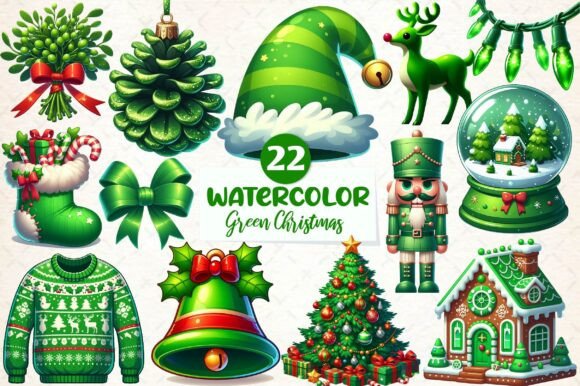
The immediate draw of this piece is its color palette. The dominant use of green suggests a fresh, organic, or perhaps a modern twist on traditional holiday aesthetics. It feels less like a generic clipart and more like a curated illustrations asset designed with intention. In the world of embroidery, visual personality is everything. A design needs to hold up when scaled down for a chest logo or blown up for a large tote bag panel.
This particular design carries a cozy, inviting energy. It doesn’t scream for attention with neon brightness; instead, it offers a grounded, sophisticated vibe that fits well within current trends for "quiet luxury" or rustic-chic home decor. For a designer evaluating this for real-world application, the first question is always: does it feel premium? In this case, yes. The lines appear clean, suggesting that when converted into an embroidery file, the shapes will remain distinct rather than muddying together under layers of thread.
Real-World Application: Where This Design Shines
I recently imagined using this asset for a custom embroidered tote bag project intended for a local holiday market. The concept was a sturdy canvas tote featuring this Green Christmas Sublimation Clipart as the central focal point. Here is how I see it playing out in actual production scenarios:
- Custom Apparel and Sweatshirts: The design’s balanced composition works beautifully on the left chest of a crewneck sweatshirt. The contrast between the rich greens and a neutral heather gray fabric would create a soft, approachable look that appeals to customers looking for comfortable, festive wear without being overly loud.
- Baby Embroidery and Nursery Decor: There is something inherently gentle about this palette. I can easily see this design adapted for baby onesies or nursery wall hangings. The theme aligns perfectly with holiday embroidery projects that aim for sentimentality over spectacle. It feels safe, warm, and appropriate for delicate fabrics.
- Home Goods and Kitchen Towels: For small shop products like tea towels or pillow covers, this design adds a touch of seasonal charm. It functions well as a standalone graphic or repeated pattern element. When paired with proper stabilizer support, it maintains its integrity even after multiple wash cycles, which is crucial for any handmade product sold online.
- Embroidered Patches: If you are creating collectible items, this design translates exceptionally well into an embroidered patch. The clear boundaries of the illustration suggest that satin stitch outlines would define the edges sharply, giving the patch a professional, finished look that customers love to pin onto denim jackets or backpacks.
Technical Considerations for Embroidery Designers
While the visual appeal is strong, translating a sublimation-ready clipart into a machine-readable format requires careful planning. Not every digital asset is created equal for stitching. Here are the practical notes I recommend considering before committing to production.
Stitch Density and Detail Level
One of the biggest risks with detailed illustrations is excessive stitch density. If the original artwork contains tiny, intricate details that are meant to be seen clearly in print, they may disappear or cause puckering when stitched. You need to evaluate whether the design relies on fine lines (which might require a running stitch) or solid blocks of color (which would use a fill stitch). For this specific clipart, if it features botanical elements or textured backgrounds, ensure that the digitizer has simplified these areas enough to prevent needle breaks while maintaining the overall shape.
Fabric Texture and Background Contrast
The success of any embroidery project often hinges on the background fabric. Green tones can get lost on dark green or olive fabrics, so I strongly advise testing this design on light or neutral backgrounds first. Conversely, on white or cream linen, the colors will pop vibrantly. Always check your thread colors against your chosen fabric swatch. If you are working with a textured fabric like boucle or heavy wool, the design might need slight adjustments to ensure the stitches anchor properly.
Hoop Size and Placement
Before scaling up, confirm the optimal hoop size for your machine. A design that looks great on a 5x7 hoop might lose definition if forced into a smaller 4x4 hoop, or it might become unwieldy on a large commercial hoop. Pay close attention to the corners of the bounding box; if there are decorative accents extending outward, make sure your hooping strategy accommodates them without hitting the machine bed.
Where to Use With Caution
Even the best designs have limitations. I would avoid using this Green Christmas Sublimation Clipart in the following scenarios:
- Stretchy Fabrics Without Proper Stabilizer: If you plan to embroider this on a stretchy knit cap or a jersey t-shirt, you must use a high-quality cut-away stabilizer. Otherwise, the tension will distort the design, causing the "Christmas" theme to look warped and unprofessional.
- Small Hoop Sizes on Intricate Areas: If the design includes tiny lettering or very fine decorative accents, do not attempt to shrink it below a certain threshold. Tiny details often turn into muddy blobs in embroidery. If clarity is paramount, consider simplifying the design or choosing a larger placement area.
- Dense Stitch Areas on Thin Fabric: Avoid placing dense fill stitches on thin materials like silk or lightweight rayon unless you are using a water-soluble topping. The weight of the thread can pull the fabric through, ruining the drape of the garment.
Final Verdict for Craft Business Owners
For Etsy sellers and craft business owners, Green Christmas Sublimation Clipart offers a versatile foundation for a wide range of commercial embroidery projects. Its aesthetic bridges the gap between traditional holiday cheer and modern design sensibilities, making it appealing to a broad customer base.
However, remember that a digital asset is only as good as its execution. Take the time to test the design on scrap fabric. Check the applique design possibilities if you plan to layer different fabrics. Inspect the small details closely. And most importantly, confirm your licensing terms before selling finished items. If you treat this asset with the same respect you would give a custom client commission, you will likely find it becomes a staple in your design assets library for years to come.
In summary, this is a strong candidate for anyone looking to add a touch of refined festivity to their personalized gift offerings. It is practical, visually pleasing, and ripe for creative adaptation.