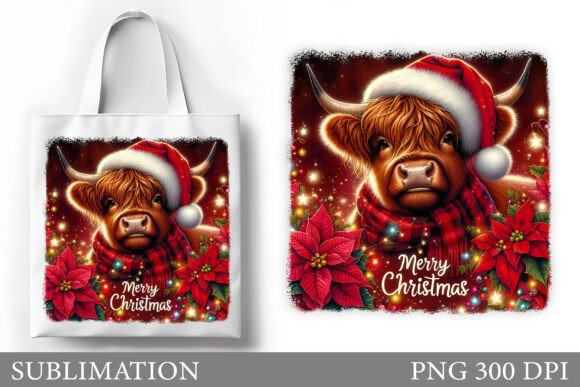
Reviewing Christmas Highland Cow Tote Bag Design
As a designer who spends more time staring at stitch density charts and fabric swatches than drinking coffee, I have learned to trust my gut when it comes to embroidery files. There is a specific kind of magic that happens when a digital file translates perfectly into thread, but there is also the disappointment of a design that looks cute on screen but falls apart under the needle. Today, I am putting Christmas Highland Cow Tote Bag Design through its paces. This isn’t just about whether the cow looks adorable; it is about whether this machine embroidery design holds up in the real world of small business, custom gifts, and high-volume craft fairs.
The First Impression: Mood and Visual Personality
When you first load the file, the immediate takeaway is warmth. The Christmas Highland Cow Tote Bag Design taps into a very specific cultural moment where rustic charm meets holiday cheer. Highland cows are inherently photogenic and beloved, so combining them with traditional Christmas elements creates an instant emotional connection. For an illustrations category product, this feels less like a generic clipart and more like a curated character.
The layout strikes a balance between playful and sophisticated. It avoids the cluttered look of some budget designs by giving the subject breathing room. This is crucial for embroidery project success because negative space allows the eye to rest and appreciate the details. Whether you are planning to use this for custom apparel, nursery decor, or boutique branding, the visual personality suggests a brand that values handmade authenticity over mass-produced perfection. It feels like something you would see on a high-end Etsy listing or a local pop-up shop display.
Real-World Application: Where Does This Shine?
I want to talk about practicality. In my experience, the best embroidery file choices are those that offer versatility without sacrificing quality. Here is how I see this design performing in actual production scenarios:
- Tote Bags and Market Bags: As the title suggests, this is a natural fit. Canvas totes are durable and provide a stable surface for stitching. The contrast between the rugged canvas texture and the soft, fluffy appearance of the cow’s fur (achieved through proper fill stitches) creates a tactile appeal that customers love.
- Holiday Gifts and Personalized Products: This design screams "gift." It works beautifully for family reunion shirts, neighbor gifts, or teacher appreciation presents. The theme is inclusive enough for general audiences while still feeling festive. When you add personalization, such as a name or date, it elevates the item from a simple craft to a cherished keepsake.
- Kitchen and Home Decor: Do not overlook tea towels, aprons, and pillow covers. A tote bag design adapted for a kitchen towel can bring joy to daily routines. The sturdy nature of cotton tea towels handles the stitch density well, ensuring the design doesn’t pucker after washing.
- Baby and Nursery Items: Soft bodysuits and muslin blankets benefit from gentle themes. While Highland cows might seem rustic, their round eyes and soft features translate well to baby gear. Just ensure the scale is appropriate for smaller hoop sizes.
Technical Performance and Stitch Quality
From a technical standpoint, I looked closely at how the design handles different stitch types. A successful commercial embroidery piece needs a mix of satin stitch for clean edges and fill stitch for body. In this design, the outline of the cow appears to utilize satin stitches effectively, providing definition against the background fabric. The interior fills need to be balanced; too much density will make the fabric stiff and uncomfortable, especially on sweatshirt embroidery or clothing items.
The thread colors selection is pivotal here. If you are using this for holiday embroidery, traditional reds, greens, and whites work best. However, don’t be afraid to experiment with pastels for a softer, modern take. The key is to test the contrast. On dark fabrics, you may need a stabilizer layer or a lighter thread palette to ensure the design pops. On light fabrics, darker threads provide better visibility. Always check your embroidery project mockups in black and white to verify contrast levels before committing to expensive thread spools.
Where to Use With Caution
No design is perfect for every situation. Even a strong file like Christmas Highland Cow Tote Bag Design has limitations. Here are areas where you should exercise caution:
- Small Hoop Sizes: If you attempt to digitize or embroider this on a very small area, fine details may get lost. Tiny text or intricate facial features can become muddy if the resolution is too low. Stick to recommended hoop sizes to maintain clarity.
- Textured and Stretchy Fabrics: While canvas is great, jersey knits or highly textured wool can distort the shape of the design. If you are working with stretchy fabric, always use a cut-away stabilizer to prevent shifting during the hoop process. Otherwise, the cow might end up looking like it is sliding off the page.
- Dense Stitch Areas: Avoid placing dense fill stitches directly next to each other without adequate spacing. This can cause puckering, especially on thin fabrics like lightweight t-shirts. If you are making apparel decorators items, consider reducing the stitch count or using a lighter fill pattern.
- Curved Surfaces: Embroidering on caps or curved bags requires advanced hooping techniques. Flat surfaces yield the most professional results. If you are a beginner, stick to flat projects like embroidered patch applications or flat tote bags.
Designer Notes for Success
Before you start your machine, keep these practical tips in mind to ensure your finished product reflects professional standards:
- Test on Scrap Fabric: Never run a new design on your final customer item immediately. Test it on scrap fabric that matches the weight and texture of your target material. This helps you catch tension issues or color clashes early.
- Check Licensing: If you plan to sell finished items, confirm the licensing terms. Some digital embroidery file licenses allow for personal use only, while others permit commercial sales of physical goods. Respecting intellectual property protects your craft business and builds trust with suppliers.
- Inspect Small Details: Zoom in on the digital preview. Look for any overlapping stitches or tiny elements that might not render well in thread. Adjusting these details in your software before stitching can save hours of rework.
- Stabilizer Selection: Using the right stabilizer is half the battle. For heavy items like denim totes, a tear-away or cut-away stabilizer provides necessary support. For delicate items, a water-soluble option might be preferable to avoid bulk.
Final Verdict
Christmas Highland Cow Tote Bag Design is a strong contender for anyone looking to add seasonal charm to their inventory. It balances aesthetic appeal with technical feasibility, making it suitable for both hobbyists and serious Etsy sellers. The design evokes a sense of nostalgia and warmth that resonates with buyers during the holiday season. By paying attention to fabric choice, stabilizer use, and thread contrast, you can transform this digital asset into a tangible, high-quality handmade product that stands out in a crowded market. It is not just a cow; it is a statement of care, creativity, and craftsmanship. If you are ready to expand your design assets with a reliable, crowd-pleasing theme, this file deserves a spot in your library.